Author:
Evaluation:
Published: 14.02.2022.
Language: Latvian
Level: Secondary school
Literature: 6 units
References: Not used
  • Presentations 'Transplantācija', 1.
  • Presentations 'Transplantācija', 2.
  • Presentations 'Transplantācija', 3.
  • Presentations 'Transplantācija', 4.
  • Presentations 'Transplantācija', 5.
  • Presentations 'Transplantācija', 6.
  • Presentations 'Transplantācija', 7.
  • Presentations 'Transplantācija', 8.
  • Presentations 'Transplantācija', 9.
  • Presentations 'Transplantācija', 10.
  • Presentations 'Transplantācija', 11.
  • Presentations 'Transplantācija', 12.
  • Presentations 'Transplantācija', 13.
  • Presentations 'Transplantācija', 14.
  • Presentations 'Transplantācija', 15.
  • Presentations 'Transplantācija', 16.
  • Presentations 'Transplantācija', 17.
  • Presentations 'Transplantācija', 18.
  • Presentations 'Transplantācija', 19.
  • Presentations 'Transplantācija', 20.
  • Presentations 'Transplantācija', 21.
  • Presentations 'Transplantācija', 22.
  • Presentations 'Transplantācija', 23.
  • Presentations 'Transplantācija', 24.
  • Presentations 'Transplantācija', 25.
  • Presentations 'Transplantācija', 26.
  • Presentations 'Transplantācija', 27.
  • Presentations 'Transplantācija', 28.
  • Presentations 'Transplantācija', 29.
  • Presentations 'Transplantācija', 30.
  • Presentations 'Transplantācija', 31.
  • Presentations 'Transplantācija', 32.
Extract

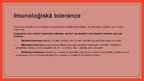
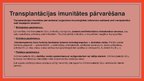
Transplantācijas imunitāte
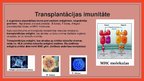
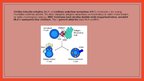
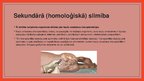
Ir organisma aizsardzības forma pret svešiem antigēniem, neuzņēmība pret tiem. Atgrūšanas procesā piedalās : B šūnas, T šūnas, Antigen-prezentejošās šūnas un MHC molekulas.
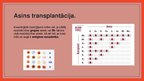
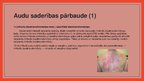
Audu specifiskuma un bioloģiskās nesaderības reakcijas nosaka t.s. transplantācijas antigēni, kas atrodas uz šūnu virsmas dažādos orgānos un audos, arī uz leikocītu virsmas.
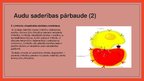
Transplantācijas antigēni, kas atrodas uz cilvēka leikocītu virsmas, veido t.s. HLA (cilvēku leikocītu antigēni) sistēmu. Šīs sistēmas antigēnu sintēzi determinē MHC gēni. (lielākais saderības komplekss)

Author's comment
Atlants