Author:
Evaluation:
Published: 01.12.2016.
Language: English
Level: College/University
Literature: 6 units
References: Not used
Time period viewed: 2000 - 2010 years
2011 - 2015 years
  • Presentations 'Turn-Taking & Interruptions in Presidential Debate', 1.
  • Presentations 'Turn-Taking & Interruptions in Presidential Debate', 2.
  • Presentations 'Turn-Taking & Interruptions in Presidential Debate', 3.
  • Presentations 'Turn-Taking & Interruptions in Presidential Debate', 4.
  • Presentations 'Turn-Taking & Interruptions in Presidential Debate', 5.
  • Presentations 'Turn-Taking & Interruptions in Presidential Debate', 6.
  • Presentations 'Turn-Taking & Interruptions in Presidential Debate', 7.
  • Presentations 'Turn-Taking & Interruptions in Presidential Debate', 8.
  • Presentations 'Turn-Taking & Interruptions in Presidential Debate', 9.
  • Presentations 'Turn-Taking & Interruptions in Presidential Debate', 10.
  • Presentations 'Turn-Taking & Interruptions in Presidential Debate', 11.
  • Presentations 'Turn-Taking & Interruptions in Presidential Debate', 12.
  • Presentations 'Turn-Taking & Interruptions in Presidential Debate', 13.
Extract

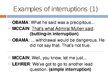
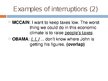
Examples of interruptions (2)
MCCAIN: I want to keep taxes low. The worst thing we could do in this economic climate is to raise people’s taxes.
OBAMA: I, I, I ... don’t know where John is getting his figures. (overlap)

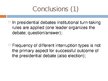
Conclusions (1)
In presidential debates institutional turn-taking rules are applied (one leader organizes the debate; question/answer);
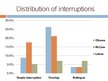
Frequency of different interruption types is not the primary aspect for successful outcome of the presidential debate (also election);

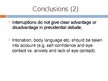
Conclusions (2)
Interruptions do not give clear advantage or disadvantage in presidential debate;
Intonation, body language etc. should be taken into account (e.g. self-confidence and eye contact vs. anxiety and lack of eye contact).

Author's comment
Atlants