Author:
Evaluation:
Published: 17.09.2024.
Language: English
Level: Secondary school
Literature: n/a
References: Not used
Time period viewed: 2021 - 2025 years
  • Presentations 'Profesionālā angļu valoda skolotājiem II Gender neutrality in language', 1.
  • Presentations 'Profesionālā angļu valoda skolotājiem II Gender neutrality in language', 2.
  • Presentations 'Profesionālā angļu valoda skolotājiem II Gender neutrality in language', 3.
  • Presentations 'Profesionālā angļu valoda skolotājiem II Gender neutrality in language', 4.
  • Presentations 'Profesionālā angļu valoda skolotājiem II Gender neutrality in language', 5.
  • Presentations 'Profesionālā angļu valoda skolotājiem II Gender neutrality in language', 6.
  • Presentations 'Profesionālā angļu valoda skolotājiem II Gender neutrality in language', 7.
  • Presentations 'Profesionālā angļu valoda skolotājiem II Gender neutrality in language', 8.
  • Presentations 'Profesionālā angļu valoda skolotājiem II Gender neutrality in language', 9.
Extract

 Conclusion
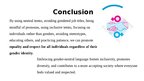
By using neutral terms, avoiding gendered job titles, being mindful of pronouns, using inclusive terms, focusing on individuals rather than genders, avoiding stereotypes, educating others, and practicing patience, we can promote equality and respect for all individuals regardless of their gender identity.
Embracing gender-neutral language fosters inclusivity, promotes diversity, and contributes to a more accepting society where everyone feels valued and respected. …

Atlants