PLAY AND CHILD DEVELOPMENT
Play is essential to development because it contributes to the physical, social, and emotional well-being of children.
PLAY AND THE BRAIN
Play increases brain development and growth, establishes new neural connections, and in a sense makes the player more intelligent.
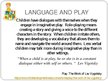
‘When babies are engaged in unstructured free play with toys, they are learning to problem-solve, to think creatively, and develop reasoning and motor skills,’ she said. ‘Free play also teaches children how to entertain themselves, which is certainly a valuable skill.’ Pediatrician Dr. Ari Brown
“PLAY IN CHILDREN’S DEVELOPMENT, HEALTH AND WELL-BEING” JEFFREY GOLDSTEIN, FEBRUARY 2012
http://www.ornes.nl/wp-content/uploads/2010/08/Play-in-children-s-development-health-and-well-being-feb-2012.pdf
…